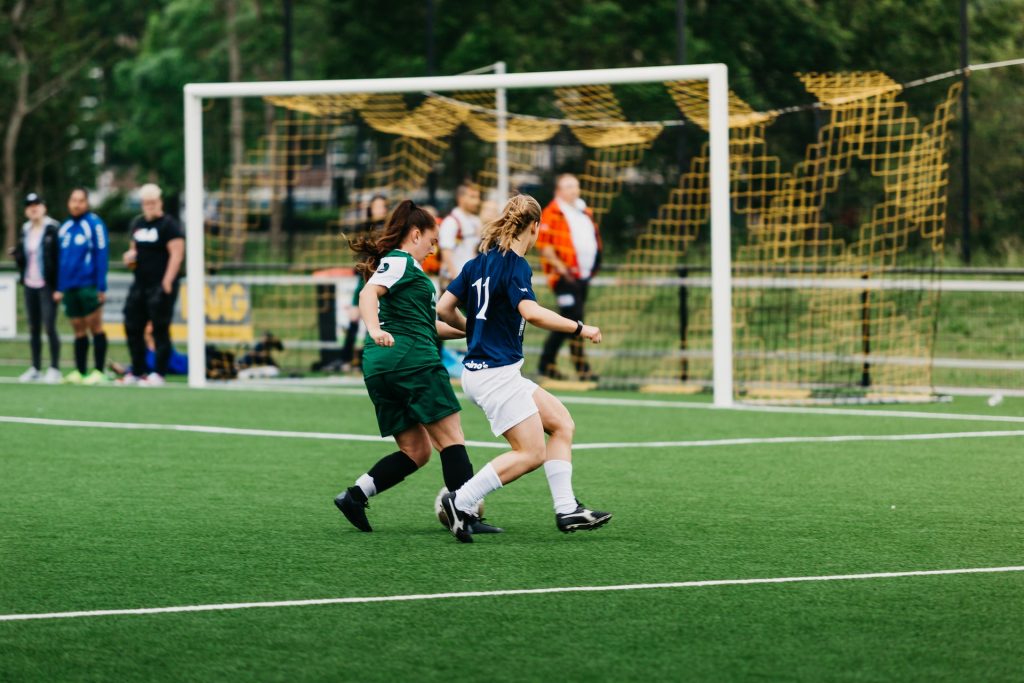
Football is one of the most popular sports in the world and plays an important role in promoting physical fitness, teamwork, discipline, and social interaction. Whether played professionally, at school, or simply for recreation, football provides people with an enjoyable way to stay active. The sport requires players to run, pass, dribble, defend, and shoot, making it a complete physical activity that engages almost every part of the body. Beyond entertainment, football contributes significantly to healthy lifestyles and personal development.
Improving Physical Fitness
One of the main benefits of football is its ability to improve overall physical fitness. Players constantly move around the field, alternating between walking, jogging, sprinting, and changing direction. These activities help strengthen the heart and lungs while improving stamina and endurance. Regular football sessions can also develop stronger leg muscles, improve flexibility, and support better coordination. Because the game involves continuous movement, it can be an effective activity for maintaining a healthy body and active lifestyle.
Developing Teamwork and Communication
Football is a team sport, so cooperation is essential for success. Players must communicate with one another, understand their teammates’ movements, and work together toward a common goal. Passing the ball, creating scoring opportunities, defending against opponents, and maintaining team formation all require effective teamwork. These experiences can help players develop communication skills and learn how to cooperate with people who may have different personalities and abilities. Such skills can also be valuable in school, professional environments, and everyday life.
Building Discipline and Responsibility
Football teaches players the importance of discipline and responsibility. Players need to attend training sessions, follow rules, listen to coaches, and maintain good sportsmanship. They also need to understand their individual responsibilities within the team. A defender, midfielder, goalkeeper, and forward each have different roles, but every position contributes to the overall performance of the team. Following these responsibilities helps players become more organized and committed. Regular practice also teaches the value of patience because improvement often requires consistent effort over time.
Supporting Mental Well-Being
Physical activity is closely connected with mental well-being, and football provides an enjoyable way to remain active while reducing everyday stress. Participating in a match can help players focus their attention on the game and temporarily step away from academic, professional, or personal pressures. Achieving personal goals, improving skills, and contributing to a team’s success can also increase confidence. Playing with others can create friendships and a sense of belonging, which makes football beneficial for both physical and social well-being.
Encouraging Social Interaction
Football brings people together regardless of age, background, or skill level. Local clubs, schools, community groups, and professional teams provide opportunities for people to meet others who share an interest in the sport. Playing regularly can strengthen friendships and encourage positive social interaction. Football tournaments and community matches can also bring families and communities together, creating an atmosphere of support and shared enjoyment.
Teaching Sportsmanship and Resilience
Football does not always produce the result players expect. Teams may win, lose, or draw, and players can experience mistakes and setbacks during matches. Learning to accept these outcomes teaches resilience and sportsmanship. Players learn to respect opponents, officials, teammates, and coaches while understanding that both victories and defeats are part of sport. These lessons can help develop a positive attitude toward challenges beyond the football field.
Conclusion
Football is much more than a recreational game. It is a valuable sporting activity that supports physical fitness, teamwork, discipline, confidence, communication, and social development. Its combination of movement, strategy, competition, and cooperation makes it suitable for people of many ages and skill levels. By participating in football regularly, individuals can enjoy the excitement of the sport while developing healthy habits and important life skills. For these reasons, football continues to hold an important place in sports and active lifestyles around the world.