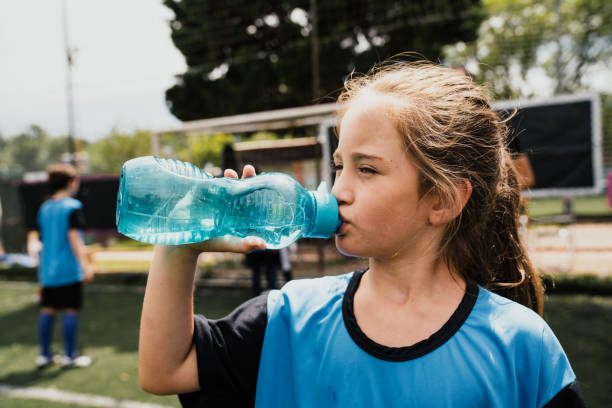
Staying Hydrated During Football
Hydration is an important part of helping young football players stay healthy, energetic, and focused during practices and games. Football can involve running, sprinting, changing direction, and repeated bursts of intense activity, which can cause players to lose water through sweat. Choosing the right drink can help replace lost fluids and support performance. For most youth football players, water is the best everyday choice, while sports drinks may be useful in certain situations when exercise is prolonged or especially demanding.
Why Water Is Usually the Best Choice
Water is simple, effective, and readily available. For shorter practices and games, drinking water before, during, and after activity is generally enough to help young athletes maintain proper hydration. Water does not contain added sugar or unnecessary calories, making it a suitable option for regular training sessions. Players should begin drinking before they feel very thirsty because thirst may not always appear early enough to prevent dehydration. Taking regular small drinks during breaks can be an easy way to maintain hydration throughout practice or competition.
When Sports Drinks May Help
Sports drinks contain water along with carbohydrates and electrolytes such as sodium and potassium. These ingredients can be helpful during longer periods of intense activity, particularly when players are sweating heavily. Carbohydrates can provide an additional source of energy, while electrolytes help replace some of the minerals lost through sweat. However, sports drinks are not necessary for every practice. For many young players participating in shorter sessions, water and a balanced meal provide sufficient fluids and nutrients.
Consider the Length and Intensity of Activity
The choice between water and a sports drink should depend partly on the type of football activity. A short training session in moderate weather may require nothing more than water. In contrast, a long tournament, extended practice, or game played in hot and humid conditions can increase fluid and electrolyte losses. Coaches and parents should consider the weather, duration of exercise, intensity of play, and individual sweating patterns when deciding what a player should drink.
Avoid Over-Relying on Sugary Drinks
Although sports drinks can have a purpose, they should not replace water as a young athlete’s primary beverage. Many sports drinks contain added sugar, so frequent consumption outside athletic activity can contribute unnecessary calories and may affect dental health. Energy drinks are also not appropriate hydration choices for youth because they can contain high amounts of caffeine and other stimulants. Plain water remains a practical option for everyday hydration.
Hydration Before, During, and After Football
Good hydration begins before a player steps onto the field. Young athletes should drink fluids regularly throughout the day rather than trying to hydrate only immediately before a game. During activity, players should take advantage of scheduled breaks to drink. After practice or competition, replacing fluids is important, especially after heavy sweating. A nutritious meal or snack can also help replenish energy and provide important nutrients needed for recovery.
Helping Young Players Build Healthy Habits
Parents and coaches can make hydration easier by ensuring that every player has access to a clean, labeled water bottle. Coaches can schedule regular drink breaks and encourage players to drink without waiting until they become extremely thirsty. Teaching young football players to recognize signs such as unusual tiredness, headache, dizziness, dry mouth, or dark-colored urine can also help them understand when they may need more fluids.
Conclusion
For most youth football players, water should be the first choice for staying hydrated. Sports drinks can be useful during longer, intense activities or situations involving significant sweating, but they are not required for every training session. By considering activity duration, weather conditions, intensity, and individual needs, parents and coaches can help young athletes develop safe and healthy hydration habits that support both performance and overall well-being.